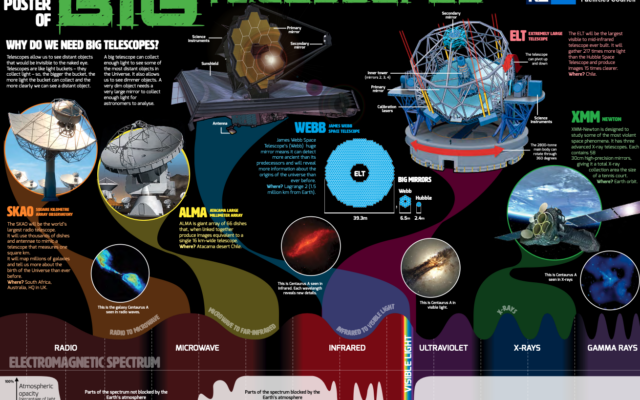
Throughout history, humanity has always marvelled at the stars – and with new technology like the James Webb Space Telescope we’re able to look deeper and further into the Universe than ever before.
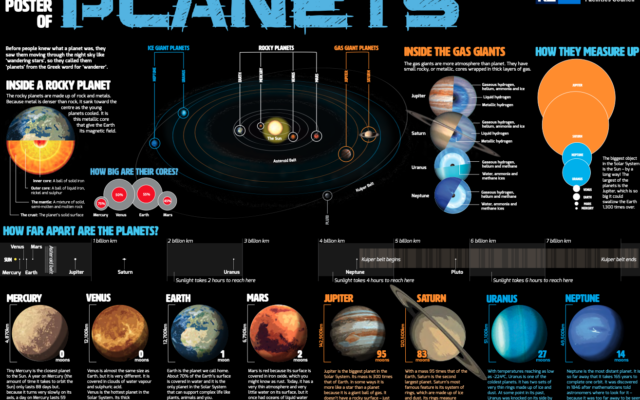
This poster illustrates different planets in our solar system, from rocky planets to gas giants, showing key facts and what different planets are made of.
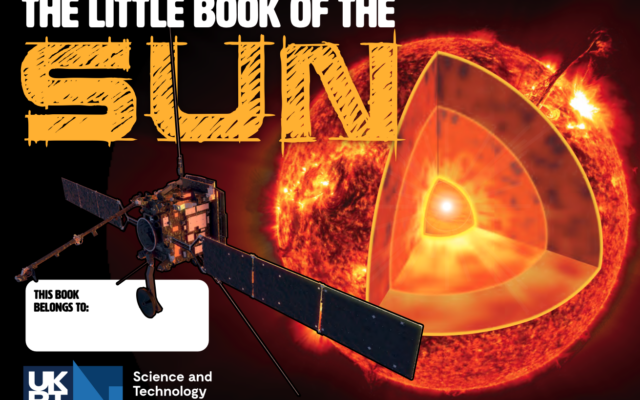
This booklet contains curriculum-linked information about the Sun. Topics explored include: what is the Sun made of and what makes it so hot, its connection to Earth, including the aurora and solar eclipses, and how we study the sun.
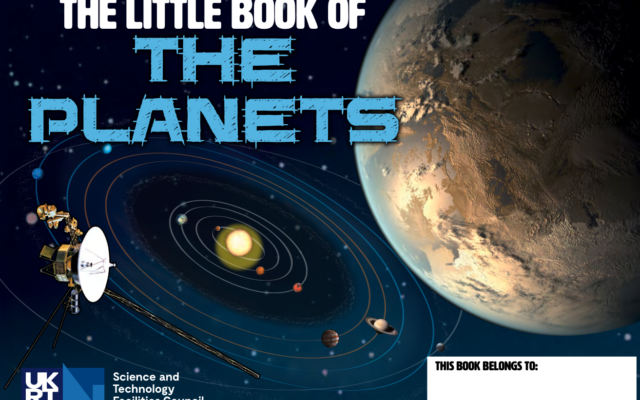
This booklet contains curriculum-linked information about the planets. It explores what is planet and how are they formed, the difference between rocky planets, gas giants, seasons, weather and how we explore the planets. It is designed to be accompanied by the hands-on activity booklet, Hands on the Planets.
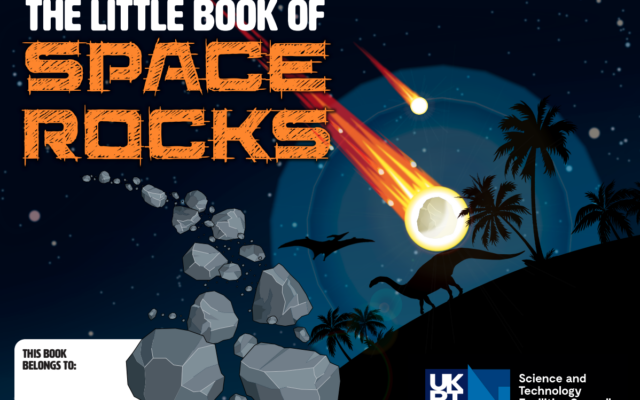
This booklet contains curriculum-linked information about asteroids, comets and meteors. Topics explored include: what is the difference between an asteroid, comet, meteor, meteoroid and meteorite, where they come from and what they can teach us.
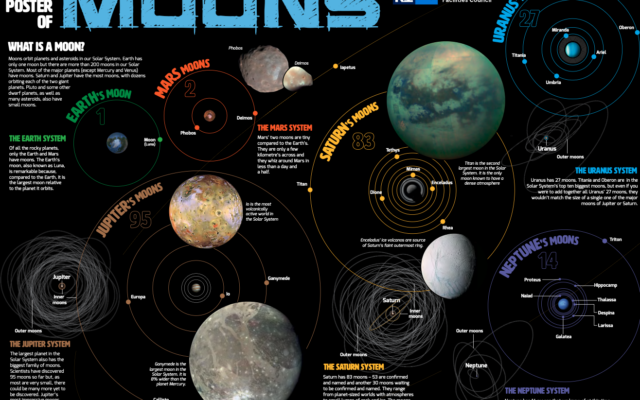
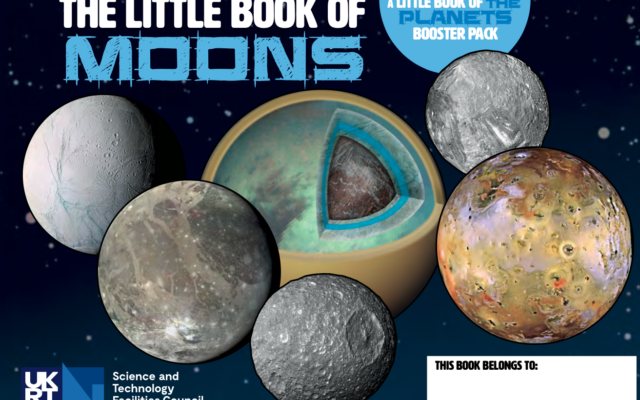
This booklet contains curriculum-linked information about our solar system. It explores different moons in our solar system, their surface, atmosphere and orbit.
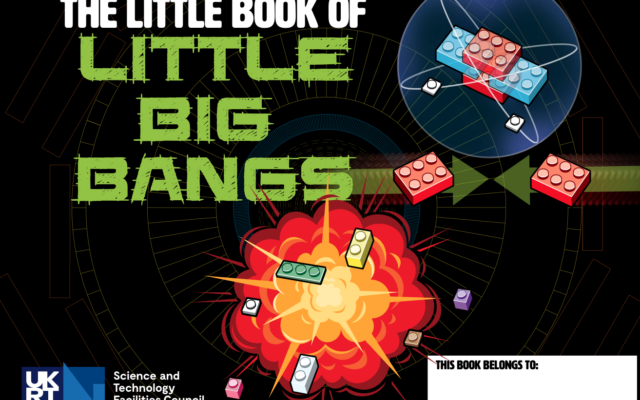
This booklet contains curriculum-linked information about particles and the Big Bang. Topics explored include: what are particles and how do they fit together, how do particle accelerators work and what can smashing particles together tell us about the Universe. This booklet is designed to be accompanied by the Hands on Little Big Bangs activity booklet.
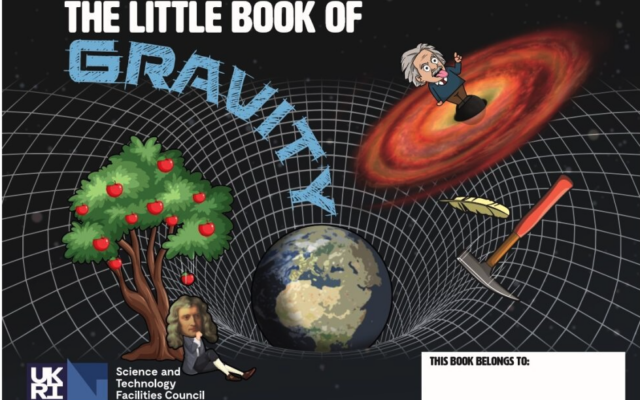
This booklet contains curriculum-linked information about the universe and gravity. Topics explored include: what is the difference between mass and weight, orbits, and gravity and space time, and how telescopes can ‘see’ gravity.